September 13, 2026
Soil erosion represents a severe environmental challenge that quietly dismantles land value, damages ecosystems, and compromises structural foundations across residential and commercial properties alike. The primary drivers behind this process include intense rainfall, unmanaged surface runoff, strong winds, and improper land utilization. When heavy precipitation hits unprotected ground, water washes away the top layer of earth, stripping the terrain of vital nutrients and organic matter needed to sustain vegetation. Without a stable root network to bind the earth together, even gentle slopes experience progressive degradation that accelerates with every passing season. Over time, unchecked runoff forms deep gullies, destabilizes hillsides, and creates hazardous conditions for nearby homes, roads, and surrounding infrastructure.
To counteract these destabilizing natural forces, property owners routinely engage licensed landscape contractors to design and install long-lasting physical barriers known as retaining walls. These engineering solutions serve as essential tools in modern ground management, holding back vast quantities of earth and transforming unstable slopes into functional, terraced terrain. Beyond simple earth retention, these structures alter how water interacts with the landscape, systematically reducing slope velocity and preventing topsoil washouts. By addressing the root mechanics of ground movement, retaining walls provide a permanent shield against environmental decay.
Understanding the Causes and Consequences of Land Degradation
The process of ground erosion begins when natural forces overpower the structural cohesion of earth and topsoil. Rainfall impacts exposed dirt with significant kinetic energy, dislodging fine particles and sweeping them down sloped surfaces. When vegetation is sparse or removed due to urban development, the land loses its natural defensive cushion. Water runoff rapidly collects speed as it flows downhill, picking up momentum and carving channels into the terrain. In regions prone to severe weather or seasonal downpours, this continuous washing away of surface soil leaves behind compacted, infertile subsoil that cannot support plant growth or absorb future rainfall effectively.
Beyond the immediate loss of usable land, uncontrolled soil displacement inflicts widespread damage on surrounding natural ecosystems and water infrastructure. Fine earth particles carried off by surface runoff eventually discharge into nearby streams, rivers, and drainage basins. This influx of sediment increases water turbidity, blocking sunlight essential for aquatic plants and disrupting the delicate food chains of local marine life. Furthermore, accumulated sediment reduces the capacity of municipal waterways and storm drainage systems, significantly increasing the probability of localized flooding during storm events. By hiring experienced landscape contractors, land managers can intervene before topsoil loss degrades local watersheds and destroys property integrity.
Selecting Superior Materials for Structural Wall Construction
Building a retaining wall capable of resisting immense earth pressures demands a thorough evaluation of raw materials and site conditions. Heavy materials such as poured concrete, interlocking concrete blocks, natural stone, and heavy timber each offer distinct structural advantages and aesthetic qualities. Gravity walls utilize sheer mass to withstand horizontal earth loads, while cantilevered walls leverage reinforced steel bases to support taller, steeper grades. Choosing the correct building material depends on soil composition, groundwater levels, wall height requirements, and overall slope steepness. Professional design ensures that the selected assembly withstands severe weather, freeze-thaw cycles, and continuous subterranean pressure without shifting or cracking over time.
Each material's selection is determined by factors like the wall's intended purpose, budget constraints, and local aesthetic preferences. According to This Old House, a four-foot high, 15-foot long retaining wall can hold back as much as 20 tons of saturated soil, demonstrating the importance of material choice in ensuring effectiveness. Because the physical weight of saturated earth increases dramatically during prolonged rainstorms, wall components must be matched precisely to load expectations. Experienced landscape contractors evaluate these site mechanics carefully to specify components that guarantee structural longevity. Selecting high-grade materials ensures that the final assembly acts as an unyielding safeguard against severe earth movement for decades.
Analyzing Drainage Integration and Hydrostatic Pressure Relief
The single greatest threat to structural wall integrity is the accumulation of trapped subterranean water, known as hydrostatic pressure. As rainwater percolates into the ground behind a retaining wall, the soil expands and becomes extraordinarily heavy. If this moisture has no pathway to escape, the trapped water exerts immense forward force against the structure, eventually leading to bulging, tilting, or catastrophic structural collapse. Preventing hydrostatic buildup requires a comprehensive internal drainage system integrated directly into the initial construction phase. Proper drainage design transforms a rigid physical barrier into an active water management system that safely directs fluid away from the slope.
Effective groundwater control typically incorporates clean aggregate backfill, perforated drainage pipes, and strategically placed weep holes along the base of the wall. Aggregates like crushed stone allow water to filter rapidly down toward collection pipes rather than pooling directly against the wall facing. Geotextile filter fabrics are installed between the natural soil and the gravel layer to prevent fine sediment from clogging the drainage pathways over time. Qualified landscape contractors calculate expected runoff volumes and design custom drainage layouts suited to local rainfall patterns and soil porosity. By regulating groundwater movement, these engineered drainage channels relieve pressure and preserve the underlying stability of the entire hillside.
Managing Steep Slopes Through Strategic Terracing Techniques
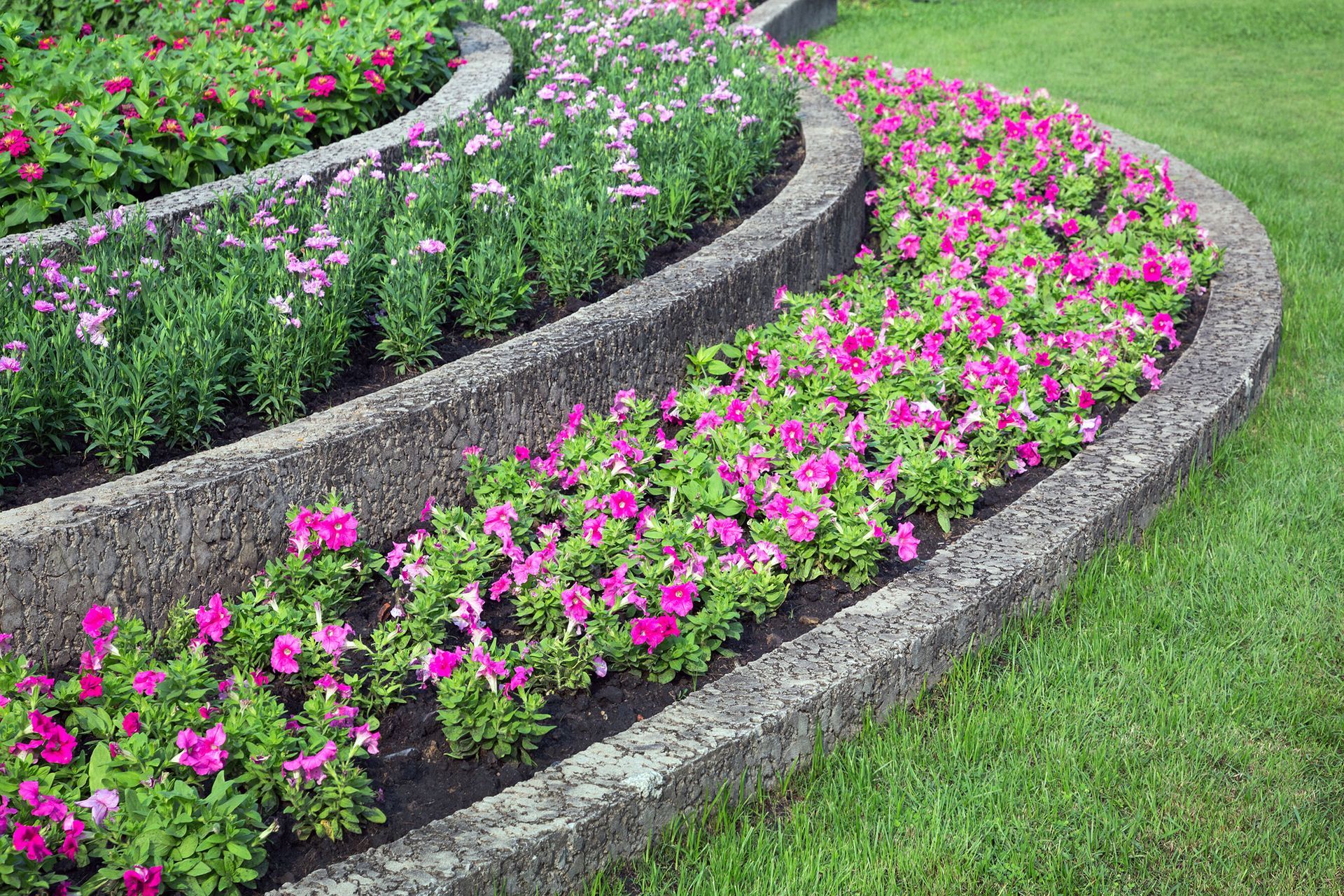
Steeply sloped terrain presents a continuous challenge for land usability, maintenance, and long-term soil retention. Unmodified hillsides are highly vulnerable to gravity-driven land slippage, where saturated earth slides downward in large masses. Converting a single steep incline into a series of stepped, horizontal terraces dramatically alters the physical dynamics of the site. Terracing breaks up long continuous slopes into smaller, manageable vertical steps, significantly reducing the speed and destructive force of downhill surface runoff. This structural modification allows rainfall to soak gently into level planting beds rather than cascading rapidly over exposed earth.
In addition to preventing catastrophic landslides, terraced retaining walls unlock functional space that would otherwise remain unusable. Property owners can utilize these newly leveled tiers for vibrant garden beds, outdoor living spaces, or stabilized agricultural plots. The compartmentalized design holds soil securely in place, encouraging healthy root development that further reinforces ground stability. Professional landscape contractors strategically sequence terraced installations to complement natural topographical contours while maximizing structural balance. Through precise grade manipulation, steep and hazardous slopes are successfully transformed into secure, attractive, and highly productive outdoor spaces.
Implementing Sustainable Earth Preservation in Urban Environments
Urban development creates unique challenges for soil preservation, as building footprints, roadways, and paved surfaces restrict natural drainage pathways. In densely populated settings, heavy rainfall cannot easily infiltrate the ground, resulting in high-volume surface runoff that concentrates along unpaved slopes and property borders. Retaining walls constructed in urban environments provide vital structural support for roads, bridges, and neighboring buildings while stopping topsoil erosion near foundations. By stabilizing tight spatial corridors, these walls prevent soil movement from undermining critical municipal infrastructure and private real estate investments.
Modern urban landscape design increasingly incorporates retaining structures to support green infrastructure, elevated parks, and sustainable stormwater retention basins. These functional installations hold nutrient-rich soil in place, allowing city planners to integrate dense vegetation and urban tree canopies into built environments. Deep root systems established behind retaining structures work in tandem with physical walls to absorb excess groundwater and filter urban pollutants. Knowledgeable landscape contractors work within strict municipal codes and tight boundary lines to erect structures that blend structural utility with modern urban aesthetics. Ultimately, retaining walls provide the foundation for resilient urban landscapes that successfully weather environmental pressures.
To secure your property against severe soil displacement and structural damage, partnering with seasoned industry professionals is essential. The expert team at Brian's Service, LLC provides comprehensive site evaluation, custom engineering design, and expert installation tailored to your specific topographic needs. Do not wait for severe weather to compromise your hillside or undermine your valuable property investment. Contact us today to consult with our qualified
landscape contractors and discover how a custom retaining wall solution can protect and transform your land for years to come.